Verdict
A deep, content-rich gacha RPG that's genuinely playable for free in PvE — as long as you accept that PvP and endgame speed belong to spenders.
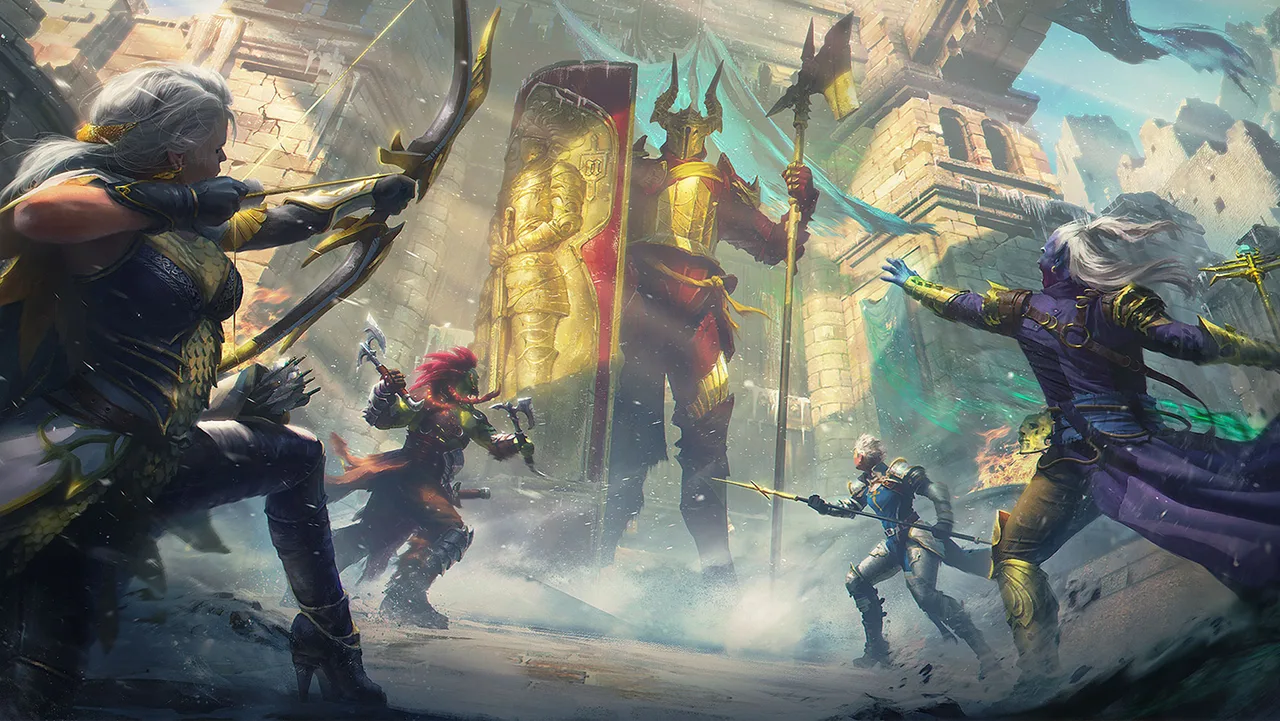
Raid: Shadow Legends earned a reputation long before most players touched it, thanks to one of the most oversaturated influencer-ad campaigns in mobile gaming history. Years on from launch, and well past $1 billion in lifetime mobile revenue, we went back to ask the only question that matters now: is the game itself any good?
The essentials
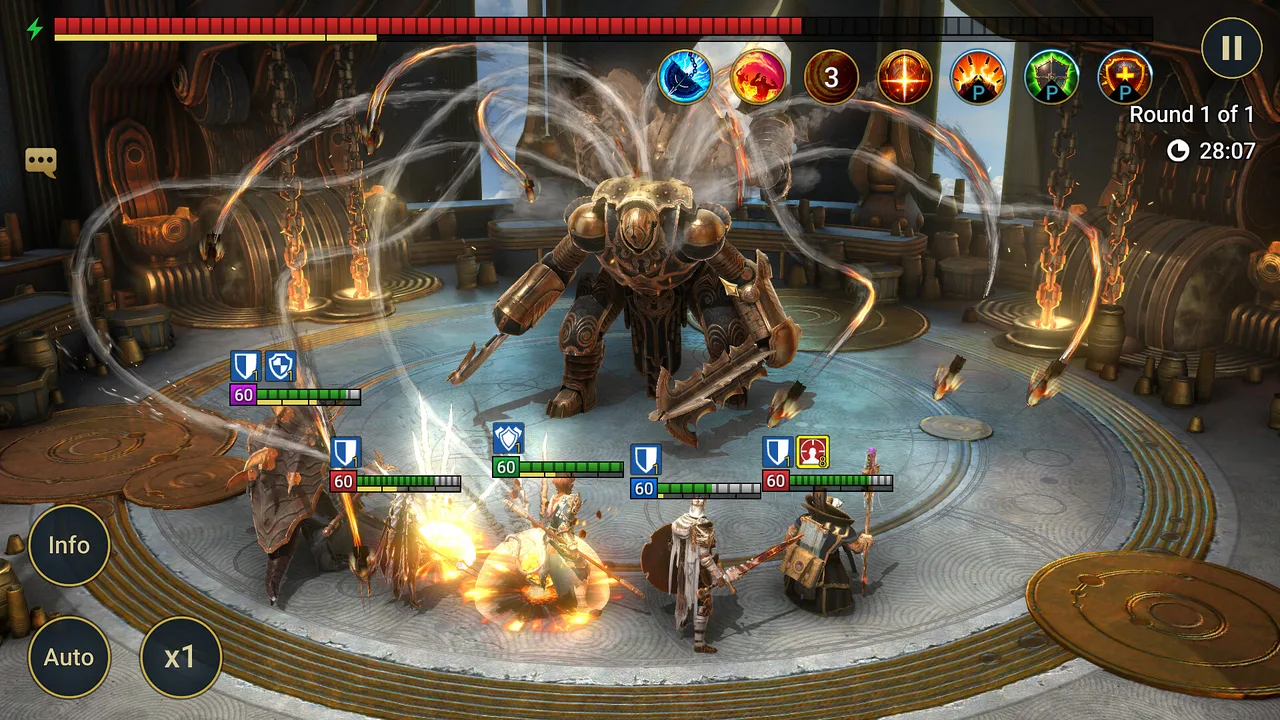
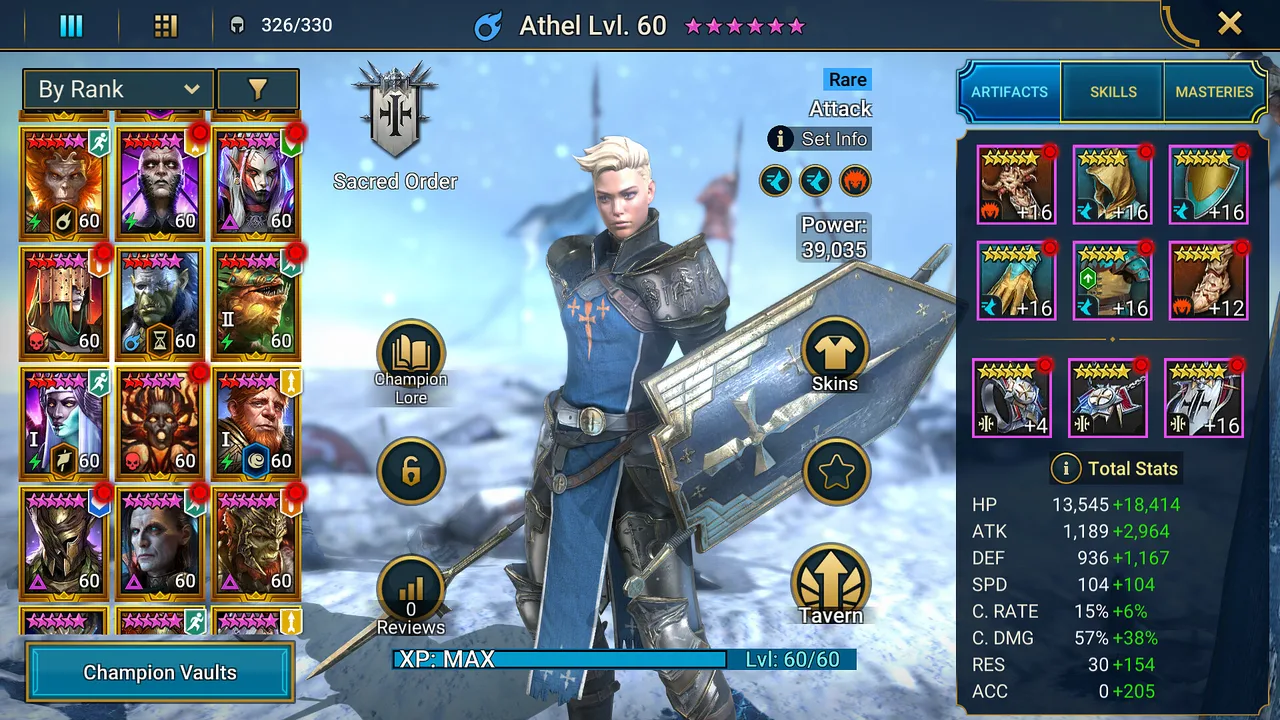
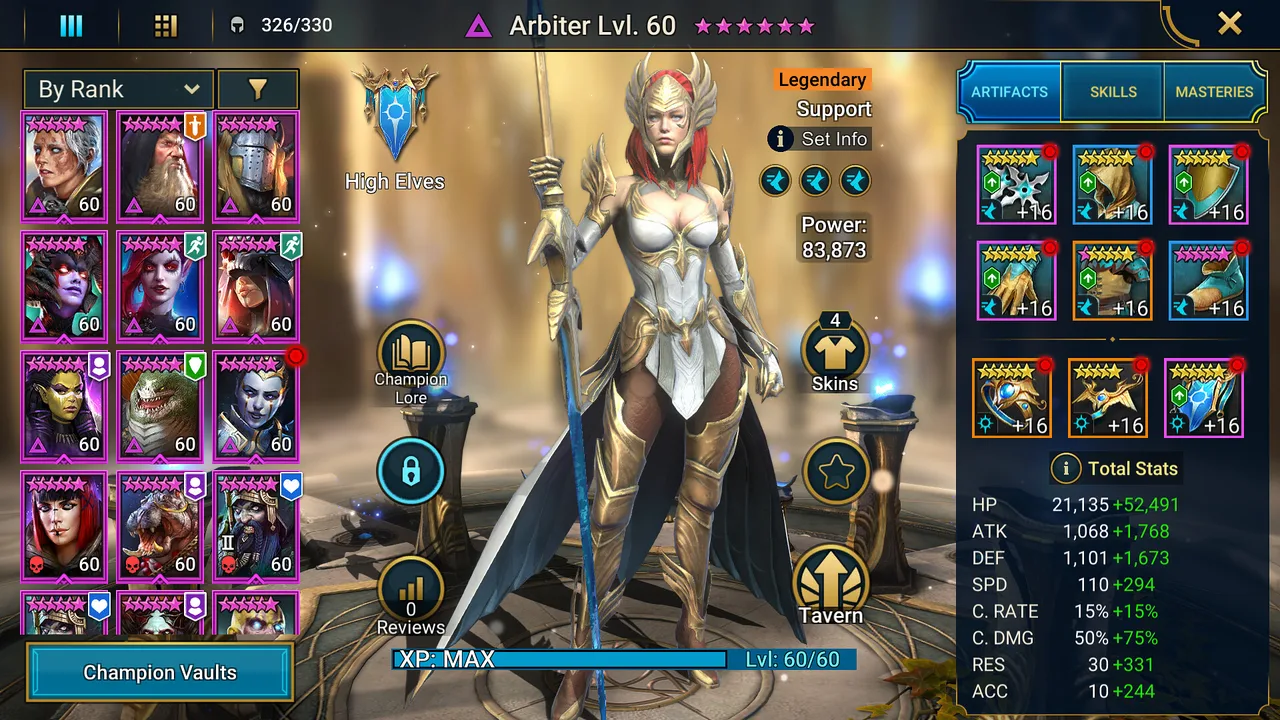
Underneath the meme baggage, Raid is a legitimately deep turn-based gacha RPG. The champion roster runs into the hundreds, each with distinct skill kits and affinities, and the gear system layers artifact sets, stat rolls, and augments on top in a way that gives min-maxers a genuine long tail of things to optimize. Campaign content, the Dungeons, Faction Wars, and Clan Boss all provide structured PvE challenges that scale with your roster's growth, and none of it requires spending to clear at a reasonable pace.
Six-plus years post-launch, Plarium is still shipping regular content — new champions, events, and seasonal systems — which is no small feat for a game this old. That kind of longevity says something about the underlying loop having real staying power, even if the packaging around it hasn't always earned goodwill.
The experience
Free-to-play progression is real but slow. You can absolutely build a competent roster, clear campaign difficulties, and participate meaningfully in Clan Boss and Faction Wars without spending a cent — but you'll be doing it years behind players who pay, and the game is honest about that trade rather than hiding it. If your relationship with a gacha RPG is "long-term hobby I chip away at," Raid rewards that patience with steady, visible progress.
Where the pay-to-win label sticks hardest is PvP. The Arena — Raid's competitive ranked mode — has paywalled reward tiers that grant gear with clear, direct combat advantages over what free players can access. That's not a subtle "spenders get there faster" dynamic; it's a structural one where a subscription or purchase tier changes what gear exists in your inventory at all. If competitive ranking matters to you, Raid asks for real money to compete seriously.
The grind itself is a mixed bag. Clan Boss and dungeon farming can tip into repetitive territory once you've found your efficient rotation, and a meaningful chunk of playtime is spent optimizing incremental stat gains rather than making interesting decisions. It's not unique to Raid — this is table stakes for the genre — but it's worth knowing the loop leans heavily on repetition dressed up as content.
The limits
Impatient players will bounce off hard. Building a competitive F2P account takes a long runway, and the gap between a modest spender and a free player widens the deeper you go, particularly in anything PvP-adjacent. If your baseline expectation is "meaningful weekly progress with minimal investment," Raid's PvE-heavy patience-reward loop will feel slow; if your expectation is "I want to be competitive in ranked without paying," it will feel unfair, because structurally it is.
Who is this for
Raid: Shadow Legends is for gacha RPG fans who want deep, long-term PvE systems to chip away at over months or years, and who can shrug off PvP as a mode they're not meant to dominate for free. It's a poor fit for players chasing fast progression or fair competitive PvP without opening their wallet.
Verdict: 6.3/10. Raid: Shadow Legends is a deeper, more legitimately playable game than its ad campaign ever suggested — the PvE loop rewards patient free players fairly. But the Arena's explicit pay-to-win gear tiers, and the sheer grind density required to keep pace, keep it from earning a higher score.
Pros
- Enormous champion roster and gear system give PvE content real long-term depth
- Clan events, dungeons, and campaign content are all clearable free-to-play
- Cross-platform on PC and mobile with steady content cadence years after launch
Cons
- PvP Arena is openly pay-to-win, with paywalled tiers granting real gear advantages
- Free-to-play progression is slow enough that patience becomes a hard requirement
- Grind density can feel like busywork rather than meaningful choice