Verdict
A genuinely well-built survival-crafting sandbox with a supernatural hook that's better after ditching its most controversial idea — worth playing if seasonal structure suits you.
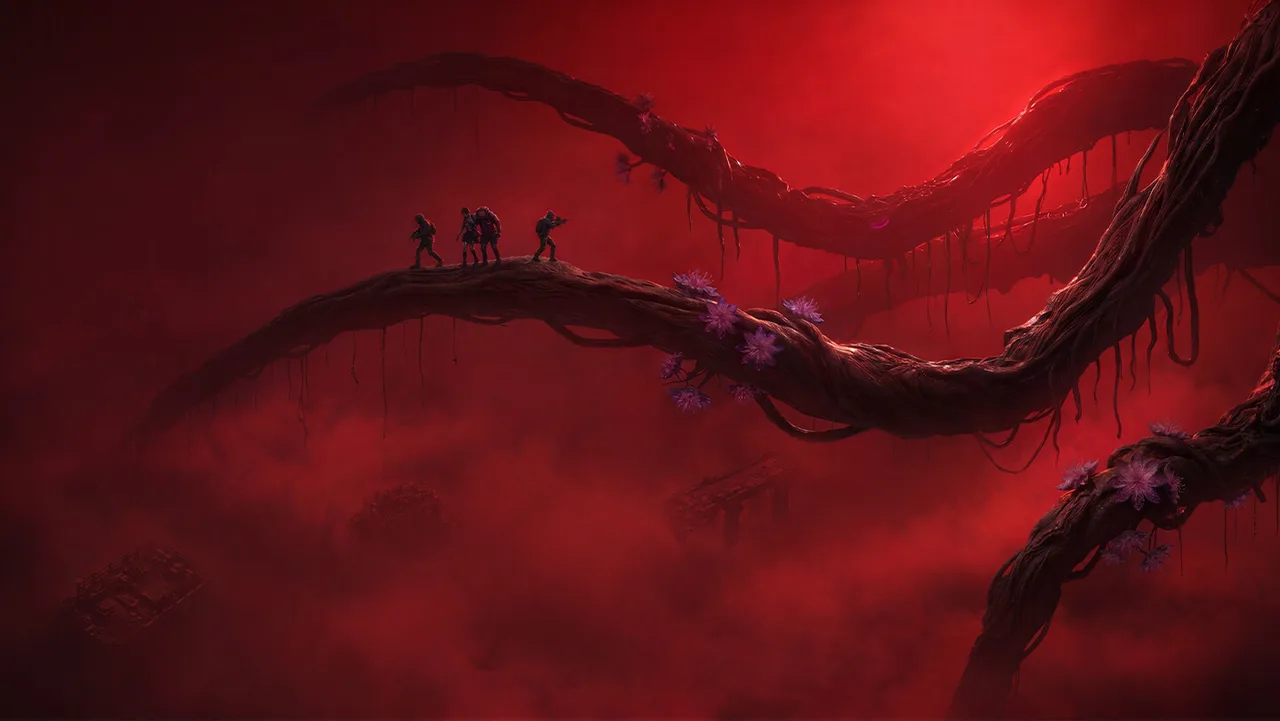
Once Human launched in mid-2024 to strong numbers and a distinctive pitch: survival-crafting meets X-Files-flavored anomaly horror, built by Starry Studio under NetEase. It also launched with a seasonal server-wipe structure that nearly tanked its own goodwill. We went back after the fix to see where things stand.
The essentials
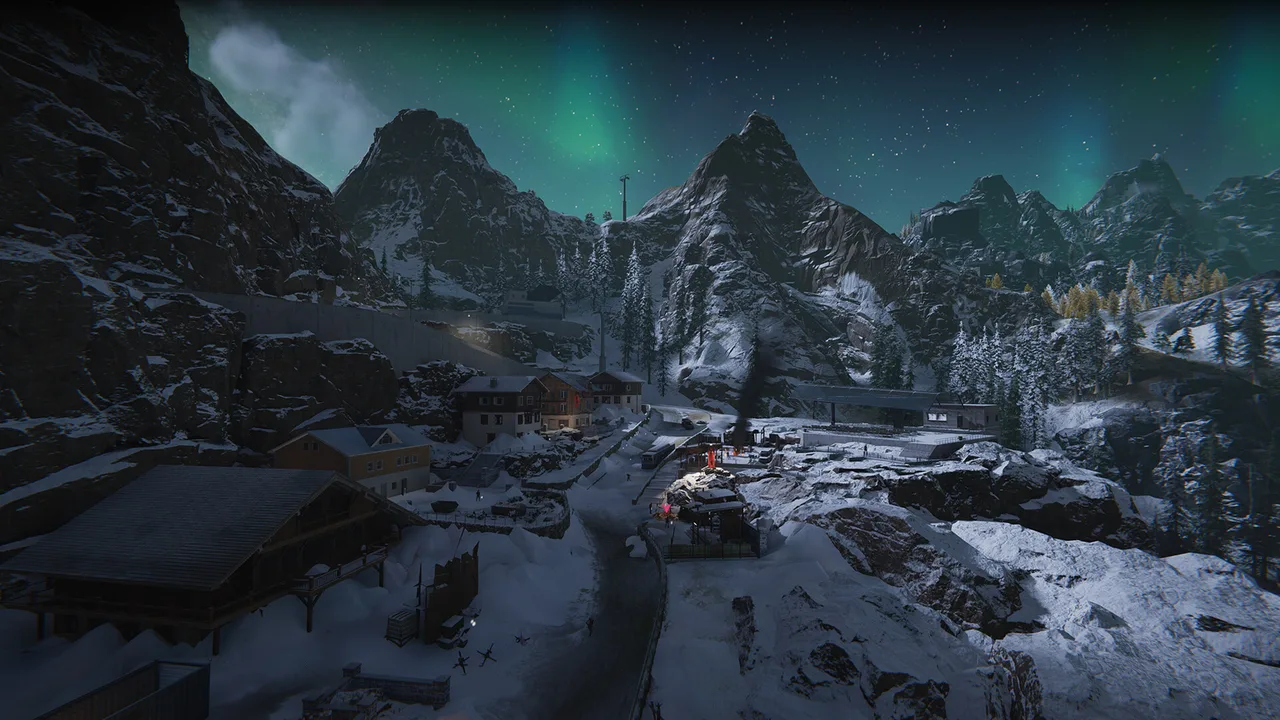
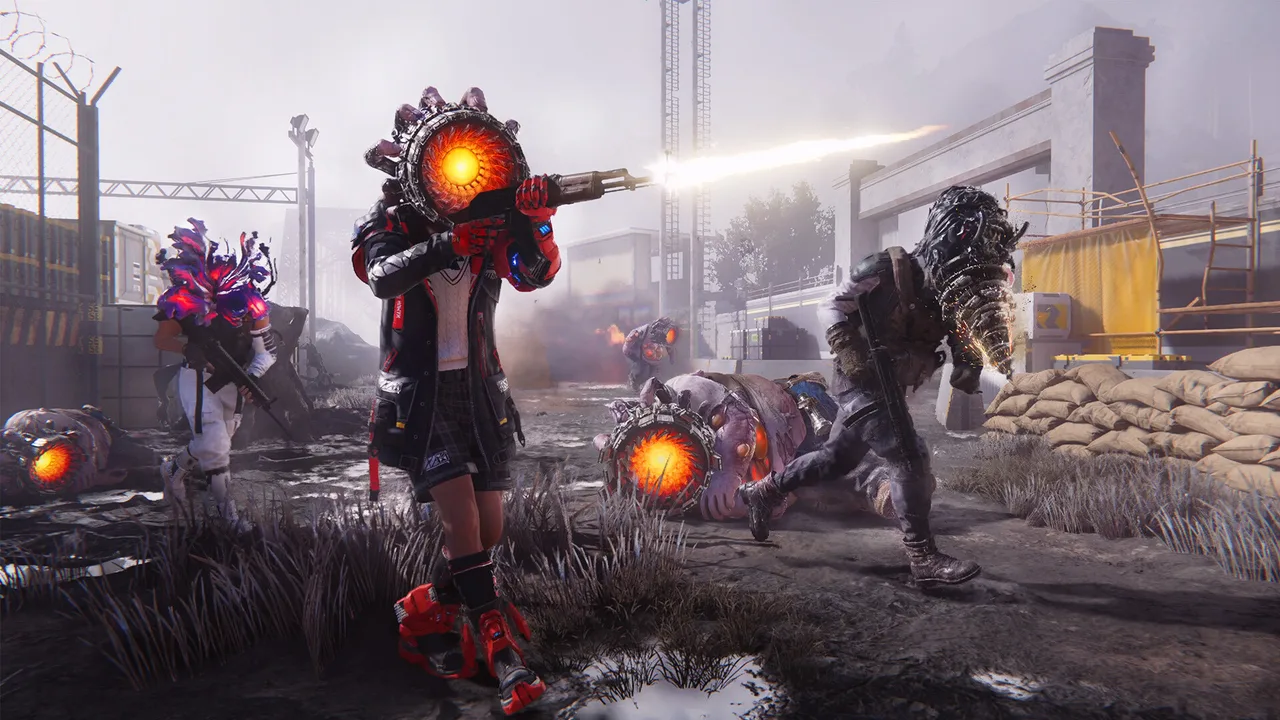
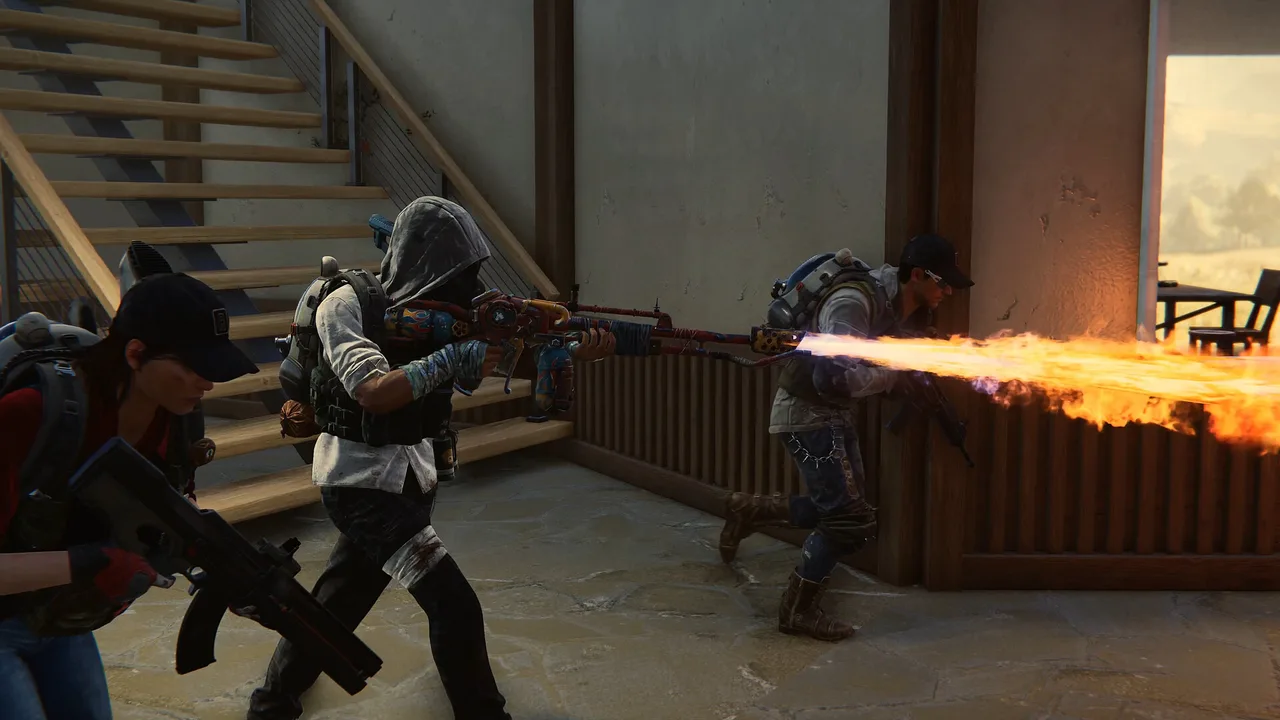
The core loop is familiar survival-game architecture — scavenge, craft, build a base, fight increasingly strange threats — but Once Human's execution is a clear step above genre standard. Building placement and structural systems are flexible and satisfying, combat has real weight and variety across melee and ranged builds, and the world itself, riddled with reality-warping "anomalies" and corrupted zones, gives exploration a tone distinct from the usual post-apocalyptic wasteland template. It looks and plays like a game with a real budget behind it, because it is one.
The anomaly framing does real work narratively too — strange environmental effects and monster designs feel like they're building toward something rather than being reskinned zombies, and the game leans into unsettling, X-Files-adjacent territory that most survival-crafting titles don't attempt.
The experience
The defining controversy of Once Human's first year was its scenario system: servers wiped roughly every six weeks in sync with each scenario's conclusion, resetting player progress to keep the "fresh start" experience the game was designed around. It was a bold structural bet, and a lot of players hated it — losing weeks of base-building and gear progression to a scheduled reset is a hard sell even when you know it's coming.
NetEase listened. As of the March 2025 update, mandatory server wipes were removed: scenario servers now convert into permanent, non-shutdown servers once a scenario's settlement phase ends, letting players either continue on that world, migrate to Eternaland (the game's persistent hub), or opt into a fresh scenario if they want the reset experience deliberately. It's a genuinely good fix — it preserves the option to experience Once Human's seasonal structure for players who like it, while removing the forced obsolescence that was driving people away.
Monetization sits in reasonably fair territory. It's aggressive about visibility — battle pass reminders and cosmetic store prompts show up constantly — but it's not pay-to-win in any way we could find during testing. You can play, progress, and compete entirely free; you'll just be reminded often about what you're not buying.
The limits
Even with forced wipes gone, Once Human's identity is still built around scenario-based seasonal content, which means a meaningful share of what you do is revisiting familiar mechanics with new variations rather than pure uninterrupted progression. If what you want is a survival game where your first base is your only base, forever, this still isn't quite that game — though it's now an opt-in choice rather than an imposed one.
The sheer number of interlocking systems — base building, gear crafting, anomaly research, deviant (creature) taming, territory control — can overwhelm in the first several hours before the game's pacing settles down.
Who is this for
Once Human is for survival-crafting fans who want a polished, well-produced take on the genre with a distinct supernatural hook, and who don't mind a seasonal structure now that it's optional rather than mandatory. It's less suited to players who want a single persistent character progression with zero scenario framing, or anyone allergic to constant battle pass messaging.
Verdict: 7.2/10. Once Human is a well-crafted survival game with a strong identity, and removing forced server wipes fixed its biggest structural flaw. What's left is a genuinely fair, if noisy, live-service loop that respects free players' time more than it used to.
Pros
- Base-building and combat systems are polished well beyond typical survival-game standards
- Anomaly-infused open world gives exploration a distinct, eerie identity
- Removing forced server wipes fixed the game's single biggest pain point
- Cosmetic-first monetization stays out of the way of core progression
Cons
- Battle pass and store advertising is persistent and hard to ignore
- Scenario/seasonal structure still means replaying content with variations rather than pure continuous progression
- Systems density can overwhelm in the opening hours